






Energy
Balancing cost, sustainability and future generation
Volatility in energy prices continues to create significant issues for businesses and consumers.
Our extensive knowledge of global energy markets and reduction solutions means we are well-placed to identify significant cost and operational transformation opportunities. Our support allows you to source the right type of energy at the right price, implement changes to reduce your consumption, and even deploy your own renewable energy generation solutions.
Three Steps
to reduce your carbon footprint
1. SOURCING
Your energy supply should be consistent with your sustainability targets to manage energy and carbon usage. edenseven has sourced and managed numerous large and complex supply contracts across multiple commodity types. We can structure your supply contracts to allow for price and demand flexibility, while also giving assurance of origin.
We combine well-recognised standards and methodologies, with a strong focus on data analytics, to benchmark your position, challenges and opportunities.

2. OPTIMISATION
With energy prices at a record high, it is vital to understand your portfolio’s demand as efficiently as possible; any waste can have a material impact on bottom line profit. edenseven assesses and structures the programmes of work which create a platform to eliminate unnecessary energy usage and improve the overall position of your business

3. GENERATION
Connecting to or building on-site renewable assets has never been more attractive. Increases in grid charges, falling costs of renewable energy asset deployment and the need for verifiable evidence of origin supply create strong incentives. edenseven’s team are experts in advising and managing programmes to deploy renewable assets to enhance your environmental and financial credits.

Benefits of our model
Driven by expertise
Our team has the experience, technical background, and real-world experience to deal with a complex pathway to net zero.
Passion
Our team is committed to making the world a better place through our work—and we love making a difference for our clients.
Innovative Solutions
We have a global network of experts who combine diverse skills with industry-specific knowledge and experience.
Client-centric model
We ensure close collaboration with our clients. This includes regular updates, clear communication, and flexible engagement models.
Data Analytics
Our team includes a range of data experts and researchers to provide you with accurate models and customised tools.
Training programmes
We can leverage the global network and range of consulting services offered by Cambridge Management Consulting
Ready to talk?
We can help you take the first steps toward a more sustainable future. If the path to net zero seems too complex, too expensive, an unnecessary burden or a difficult sell to your stakeholders, we can help.
Get in touch today to discuss your challenges.
Sustainability in Numbers
25%
Of FTSE 250 companies did not report Scope 1 & 2 emissions in 2022
37%
Of FTSE 250 companies have not stated their net-zero target date
9%
Increase in total emissions recorded by FTSE 250 companies in 2022 compared to 2021
Sustainability
Case Studies




"edenseven delivered exactly what was required; we are very happy with the end result."
David Wiggins, Director of Marketing & Communications, ISS UK
Sustainability Insights




Pete Nisbet
Managing Partner - Sustainability
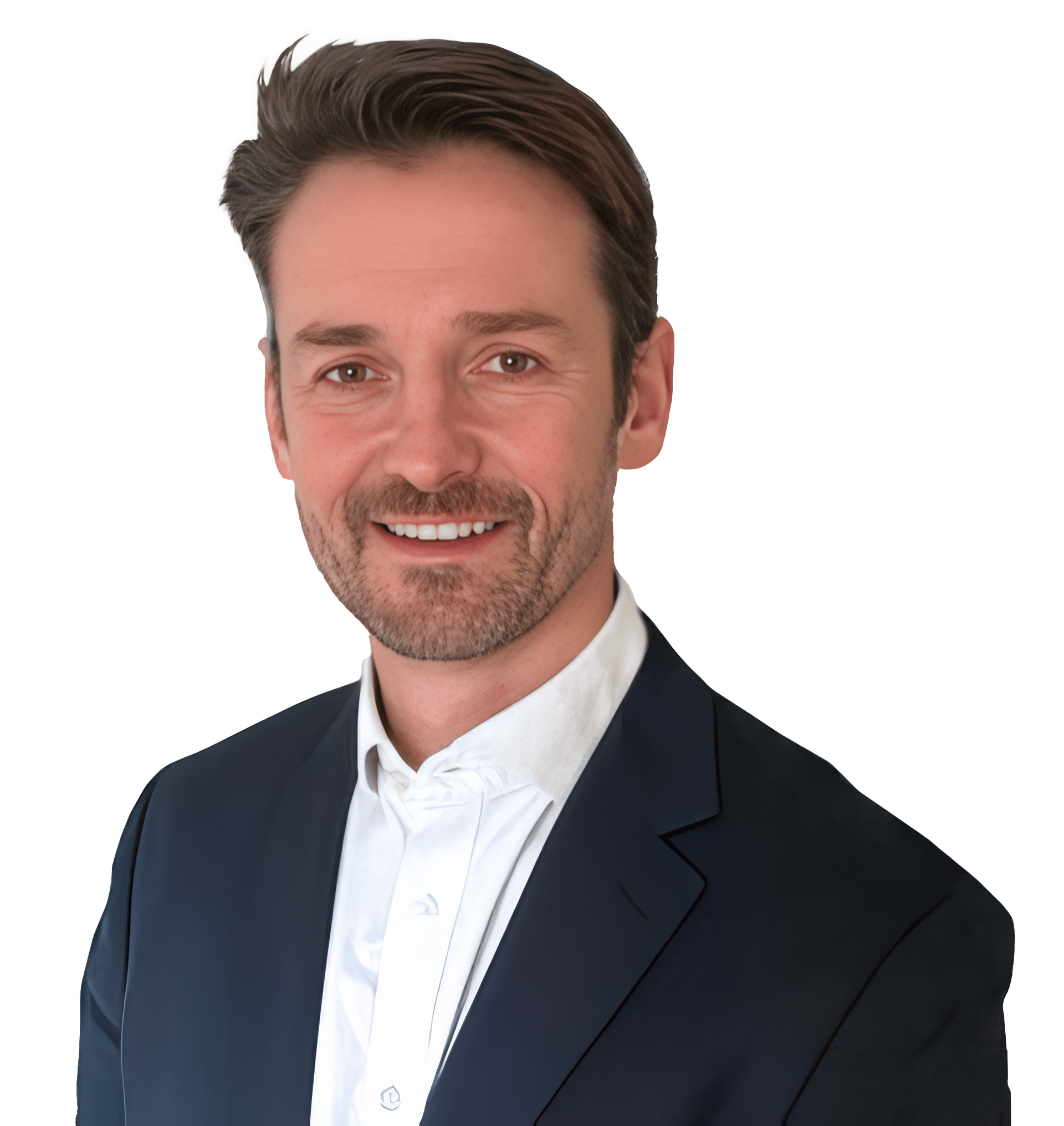
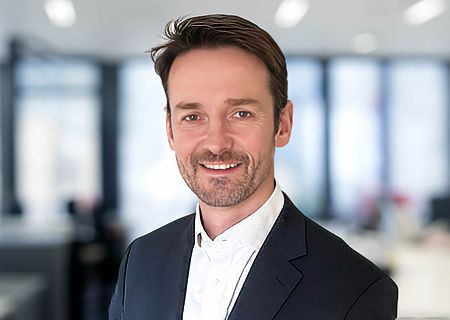
Pete is the Managing Partner at edenseven. He started his career over 23 years ago working for Southern Gas within their operations team and since then has built a deep understanding of the Energy and Carbon sector, having held senior roles in operations, commodity trading and portfolio management. Pete most recently held the role of Managing Director for Mitie Energy, where he built an award-winning and market-leading business which provided Integrated Energy and Carbon Services.
The coming years are pivotal in tackling the climate change crisis. Pete believes this will be achieved through effective use of data, deployment of new technology and collaborative thinking.



Our team can be your team
Our team of experts have multiple decades of experience across many different business environments and across various geographies.
We can build you a specialised team with the skillset and expertise required to meet the demands of your industry.
Our combination of expertise and an intelligent methodology is what realises tangible financial benefits for clients.
Our Sustainability Experts
Tim Passingham
Non-Executive Director
Tim is the Chairman of Cambridge Management Consulting and Non-Executive Director of edenseven which he co-founded. He has extensive senior executive experience in the information and communications technology industry.