Leadership Development & Coaching


Creating Leaders Who Help Their Teams Thrive

An Approach to Leadership for Today's Challenges

As we race headlong into an AI-future, we need human-centric leaders more than ever


The convergence of AI, digital tools and humans, shifting workforce demographics, and evolving employee expectations have created a complex environment where traditional approaches to leadership no longer get the desired results.


Recent research by Deloitte suggests that high-performing teams are distinguished not just by technology use, but by trust, agility, inclusion and social intelligence. In other words, the modern differentiator is increasingly human capability.


Our leadership development programme is built around giving you choice and control over your journey – because a great coach isn't necessarily the right coach for you. We have a diverse and gifted team from a broad range of industries – many of whom have interesting and unique specialisms.


The first step is the right coach. The next step is yours.

Coaching is how we help leaders make the shifts that strategy and change programmes depend on

What is Coaching?

Coaching is a structured, confidential conversation designed to help leaders think more clearly, make better decisions and translate insight into action. It is not training, consultancy or therapy. The goal is not to hand over answers, but to create the space, challenge and accountability that help a leader solve the right problems in the right way. For technology leaders, that often means stepping back from day-to-day delivery pressure to think more deliberately about priorities, influence, culture and execution.

What Does it Do?

Coaching helps leaders improve the distinctly human capabilities that often determine whether strategy actually leads to success. It enhances clarity, confidence, communication, resilience and the ability to lead others through uncertainty. For tech leaders in particular, coaching can be invaluable when stepping up from being an expert problem-solver to the leader of teams, platforms and complex transformation programmes.

Why Now?

Leadership coaching matters more now because the context around leaders is harder, faster and less forgiving. Technology leaders are being asked to deliver transformation, control cost, manage cyber and operational risk, lead hybrid teams and respond to AI-driven change – often all at once.

What Makes Us Different

Pool of Coaches

Our coaches are senior executives who have led businesses and teams in the real world, often through growth, change and high-pressure delivery. That means you receive guidance from people who understand the realities of leadership firsthand – not just the principles and theory.

Context Specific

We always try to match you with a coach who understands the context and realities that you operate in. The result is a process that is more relevant, more practical, and better able to address the real challenges that you face in your role.

Qualified Team

Our team combines senior experience with recognised coaching qualifications. This gives you the best of both worlds: qualified coaching and hard-won lessons. This approach helps you build self-awareness, sharpens decision-making and gives you the confidence to lead through complex change and growth.

Integrated

Because leadership rarely exists in isolation, our coaching can connect with Cambridge MC’s broader expertise in strategy, transformation, digital, procurement and organisational change. That creates a more joined-up offer – one that supports the individual leader while staying focussed on the practical realities of the business around them.


How We Help You

Our coaches have decades of experience providing leadership development that creates real impact in your business

Executive Coaching

Today’s leaders are expected to deliver growth, lead through uncertainty, manage hybrid teams, and respond to rapid technological change – often with little space to lead deliberately. Our Executive Coaching gives you that space, combining structured challenges and practical support to help you strengthen judgement, increase impact, and lead with greater confidence through complexity.

Leadership Team Alignment & Coaching

When leadership teams are not fully aligned, even strong strategies can stall – priorities compete, decisions slow down, and mixed signals create friction across the organisation. We work with leadership groups to strengthen collaboration, reduce barriers, improve team dynamics, and create a more consistent approach to decision-making, communication, and accountability.

Transition Coaching

Whether you are stepping into a bigger role, joining a new organisation, taking on a transformation brief, or leading through post-merger or digital change, the pressure to establish credibility and deliver quickly can be intense. Our Transition Coaching helps leaders navigate these shifts with greater focus, confidence, and control, so they can accelerate effectiveness without losing sight of people, culture, or long-term impact.

Culture & Change Leadership Coaching

We work with individuals and leadership groups to strengthen adaptability, foster trust, improve psychological safety, and lead cultural change with greater credibility and consistency. This is particularly valuable for organisations managing hybrid teams, digital transformation, or periods of sustained disruption, where change fatigue and resistance can quietly undermine progress.

“Culture does not change because we desire to change it. Culture changes when the organisation is transformed.”

Frances Hesselbein

70%


Of change initiatives fail in some capacity, primarily due to poor leadership and inadequate management support

22%


Of the workforce in the United States expected to be fully remote by 2025

69%


Of employees report being disengaged at work, which can lead to decreased productivity and higher turnover rates

Speak to one of our experts

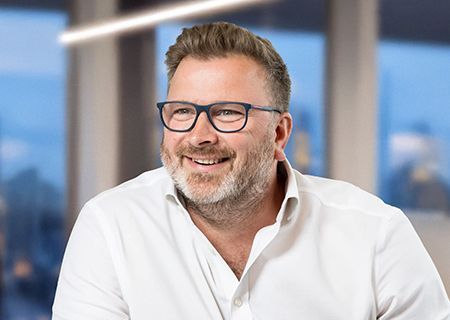
Mauro Mortali

Leadership Development & Coaching is led by Mauro Mortali

Managing Partner - Strategy, Transformation and Change

With over 25 years of experience in both leadership and governance positions across the corporate, education, and charity sectors, Mauro Mortali is Managing Partner for Strategy, Transformation and Change. Having held senior strategy and innovation positions, Mauro blends traditional strategy capabilities such as deep insight, analysis, and critical thinking with the collaboration, creative and co-creation skills of Design Thinking. One of Mauro’s passions is narrative development and storytelling, and he brings this into his strategy work in order to enable his clients to win the hearts and minds of their stakeholders and customers.


As an Associate Certified Coach with the International Coaching Federation, and an accredited Strengthscope Practitioner, Mauro combines deep insight and creative thinking to drive individual and team excellence.

Our team can be your team


Whether someone is stepping into a bigger role, leading through uncertainty, trying to align a leadership team or navigating culture change, we match them with the coach who brings the right mix of experience, challenge and support.


The result is not vague coaching strategies, but a programme that is specifically tailored to your needs and current situation.

SPEAK TO THE TEAM

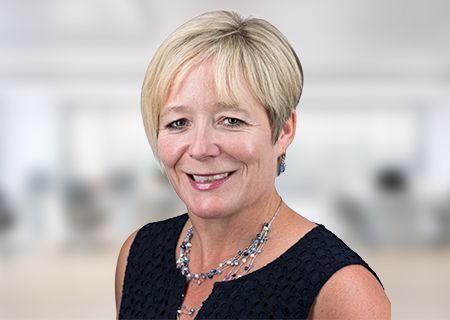
Some of Our Coaches

Case Study
Organisational Transformation through Mission Clarity


ELIXIR, a European research infrastructure supporting life sciences, needed a solution to enhance its organisational effectiveness and strengthen collaboration across its diverse network of member institutions. With ambitious scientific goals, ELIXIR sought to improve communication, streamline processes, and ensure it had the right talent and structures in place to support its mission.


We worked closely with ELIXIR to address these needs, conducting a thorough assessment of their existing structures and workflows. We facilitated and ran workshops and interviews to identify key challenges and opportunities, ensuring our solutions were tailored to their unique context. We developed a clear organisational framework that clarified roles, improved accountability, and streamlined processes, reducing operational bottlenecks. Additionally, we introduced targeted training and leadership development initiatives to empower ELIXIR’s workforce, equipping them with the skills and confidence to drive change. The results exceeded expectations: communication and collaboration across member institutions improved significantly, operational efficiency increased, and the workforce became more motivated and capable of meeting future challenges.

READ CASE STUDY

  "The workshops delivered genuine clarity of mission & purpose and the defined values have helped the ELIXIR team to confirm their identity and form a framework to live and work by. The dedicated sessions allow the team the time and space to reflect and develop ideas through facilitated conversations."

— ELIXIR Europe

People & Organisation

Case Studies


Pembroke College lawn bathed in sunlight
by Tim Passingham 12 March 2026
CAMBRIDGE | See how Cambridge MC and Pembroke College are creating mutual value through a unique corporate partnership spanning student opportunities, academic collaboration and industry events | READ FULL CASE STUDY
Purple, blue, and green square bokeh lights.
by Darren Sheppard 31 January 2024
By providing an interim COO and a strategy for sustainable growth Iknaia is an innovative technology company providing high performance, multi-purpose sensor platforms that can create high density, cost effective sensor networks across many environmental industries both indoors and outdoors, including air, water, acoustic, as well as traffic and footfall. Pushing the boundaries in remote environmental monitoring, their mission is to provide a completely connected environment, that will enable their clients to remotely monitor their assets cost effectively. Iknaia creates bespoke hardware and software in-house and uses state of the art sensors to monitor, measure, and manage all environmental situations, in real-time. Iknaia also employs Edge Computing and AI with data which is accessible to view through an online management dashboard or APIs. Project Overview Iknaia needed a Chief Operating Officer to support the Chief Executive Officer/Owner, who was originally forced to occupy both C-suite positions. The owner sought to onboard a leader to manage the day-to-day operations, thus allowing her to devote more time to focus on strategic initiatives. In addition to elevating the leadership team, the organisation wanted to position itself for future growth, and was looking at ways to expand its service offerings. Specific Challenges facing Start-Ups Limited Capital: One of the most significant challenges for start-ups is limited funding. Securing enough capital to cover initial expenses, operational costs, and unforeseen challenges can be a constant struggle. Operational Efficiency: Optimising internal processes and ensuring smooth day-to-day operations is crucial for start-ups. This includes supply chain management, inventory control, and overall efficiency in delivering products or services. Risk Management: Start-ups inherently involve risk, and managing that risk is vital. This includes financial risk, market risk, and operational risk. Developing contingency plans and being prepared for the unexpected is crucial. Scaling Up: Successfully scaling a start-up from a small operation to a larger, more complex one poses its own set of challenges. This involves expanding the team, increasing production capacity, and maintaining quality while growing. Prioritising the Pipeline: It is crucial to maximise the efficiency and focus of efforts on leads to fit with the business needs, whether that be lead time or size of revenue. Overcoming these challenges requires strategic planning, resilience, and a willingness to learn from both successes and failures. Seeking mentorship, staying adaptable, and being persistent are key factors in navigating the start-up landscape, and ones which Iknaia needed further support to implement. Solutions Though an innovative and rapid-growing technology start-up, Iknaia needed further support structuring their organisation in order to fully maximise their capability. This required the following stages: Thorough Financial Planning: Develop a detailed business plan that includes realistic financial projections. Understand costs, operating expenses, and revenue forecasts. Cash Flow Forecasting: Develop a robust cash flow forecast to anticipate periods of low liquidity and plan accordingly. Diversify Revenue Streams: Explore opportunities to diversify revenue streams. This could involve expanding product or service offerings, targeting new customer segments, or entering new markets. Effective Communication: Foster clear and open communication within the organisation. Ensure that all team members are aware of their roles, responsibilities, and deadlines. Identify and Assess Risks: Conduct a comprehensive risk assessment to identify potential threats. This includes financial risks, operational risks, market risks, and external factors that could impact your business. Develop a Risk Management Plan: Create a detailed risk management plan that outlines the identified risks, their potential impact, and strategies for mitigation. Outcomes & Results 1. Change in Mindset As p art of our restructuring, we implemented a shift from an Operational to a Strategic mindset in Iknaia. 2. 8 Sites in the Netherlands Using our inhouse operational excellence, we were able to tackle Iknaia's large-scale problems. 3. Sites in the US and UK We effectively re-allocated resources, including human capital, technology, and financial resources, to meet organisational goals. 4. Forward Planning We set goals and objectives in order to provide Iknaia with a clear glidepath, including common goals that require collaboration from multiple departments. 5. Clear Governance Structure We defined and established a Governance structure, decision making principles, and clearly articulated the goals and objectives of governance within the organisation. 6. Risk Management We developed and implemented effective risk mitigation strategies. 7. Improved Communication We established clear communication objectives that aligned with the overall organisations goals, ensuring collaboration to achieve said goals.
6 blue hexagons.
by Ben Clarke 14 February 2023
Achieving Mission Clarity In September 2021, we were contacted by ELIXIR CEO, Dr Niklas Blomberg, who discovered the Mission Clarity product sheet, part of our Leadership Development capability, on the Cambridge Management Consulting website. ELIXIR was in the middle of an organisational transformation, following a period of intense and rapid growth over the preceding 6-month period. Dr Blomberg recognised the need for clarity in ELIXIR’s mission and that help was required to define their values. Following initial discovery discussions with members of the Cambridge MC Management team, a bespoke plan was created. In December 2021, we signed the agreement to provide a two-day Mission Clarity workshop in early 2022 for the 8-person Senior Leadership Team, which would be the first in a series of workshops and coaching relationships. The Strategy During the design phase, the Cambridge MC team ensured that our approach lined up with ELIXIR’s expectations, and we held much careful discussion to listen and understand their key objectives. The preparation phase followed, which involved a series of remote 1:1 coaching sessions and assessments to help us get to know the 8 members of the Senior Leadership Team who would be present for the sessions. January 2022 The ELIXIR team gathered for a two-day offsite workshop. We structure our process around 5 points of evaluation: Mission (why are we here) identity (what are we doing) Values (how do we behave) Strategy (what’s our next step) Responsibilities (who will do what). The sessions were shaped, led and guided by the Cambridge MC facilitators who allowed the team the time and space to explore and discuss these key issues. The results were a set of properly defined and carefully thought through statements which the ELIXIR team felt truly represented them and could form a foundation for their organisation’s activities going forward. The team decided they would like Cambridge MC to return to run two further workshops to benefit the rest of the ELIXIR team. April-May 2022 The ELIXIR Communication team actively rolled out consolidated results to the wider ELIXIR community. Team workshops were designed and delivered to translate the Mission Clarity results via two separate 1-day workshops. The aim was to allow the ELIXIR community to truly define what the values looked like in their own working lives . This was a chance to explore, question, refine & personalise the new company values and to align them to their everyday work activities – a key point being that these values would be truly lived and understood for all ELIXIR people. July 2022 We delivered a 2-day workshop with a smaller team. This successfully aided ELIXIR team members in planning their strategy, building engagement and cooperation between one another with group exercises and assessments, as well as jointly owning and building their deliveries for the next year. January 2023 This workshop was focused on deepening the application of the previously defined values in the leadership team and the broader organisation, in a 2-day offsite session with the 8-strong management team. 2022 saw a period of intense growth and success for ELIXIR. Throughout the year, the defined values were expertly communicated throughout whole organisation and became truly embedded within the leadership team . This session refined commitment to build awareness and strengthen the centrality of them to whole team. We facilitated a structured group discussion of high impact initiatives for 2023 and in-team innovation exercises which enabled an even greater depth of clarity around ELIXIR’s goals for the coming year. Knowledge & Skills The Team The Cambridge MC team was made up of Mirren Mace (former Chief of Staff) and Ben Clarke. Mirren oversaw relationship management and project coordination for the duration of the 12-month programme. She also supported Ben and led sections of the workshops. Her background in the pharmaceutical industry provided an extra layer of insight and understanding to the project. Ben used his expertise in Leadership Development and Organisational Design, to create the content and lead the delivery of the workshops. His extensive experience coaching business leaders across a wide variety of industries and his own science background proved invaluable to this engagement. Results The workshops delivered genuine clarity of mission & purpose and the defined values have helped the ELIXIR team to confirm their identity and form a framework to live and work by. The dedicated sessions allowed the teams the time and space to reflect and develop ideas through facilitated conversations. In the initial sessions, consensus was reached regarding the key directions for the organisation which helped lay the foundation for significant grant success. There was time to reflect on the current position of the organisation and identify risks to growth, future requirements and both tactical and strategic approaches and the direction to take. These key issues were steadily communicated by the exceptional internal comms team at ELIXIR, to ensure the engagement of the wider organisation , further enabling the organisation to have their desired impact on the world.

People insights


Abstract red and white lines like light writing
by David Lewis 9 September 2024
Learn how to define your UVP, size your addressable market, pick a commercial model, craft a marketing strategy, and build an investor-ready pitch | Cambridge Management Consulting | READ NOW
Blue neon lines with texture like a cable
by Philippe Bosquier 9 September 2024
Scale smarter with fractional executives. See how fractional CxOs bring senior experience, strategic clarity and execution discipline to startups | Cambridge Management Consulting
A loopy abstract digital pattern in neon blue and magenta
by Daniel Fitzsimmons 18 April 2024
Ensure seamless project closure with Cambridge MC’s Change Management framework—from handovers and formal sign‑off to vendor contract closure, lessons learned, and resource release—for accountable, transformation‑lasting results.
A neon triangle light in orange
by Jeff Owen 14 March 2024
Readiness and Resilience It is inevitable that an acquisition, merger, or divestiture will significantly change the structures, processes, department structures, and job profiles of both the buying and selling organisation. In order to properly monitor this it is important to fully integrate both Human Capital Management (HCM) systems and people into the TSA process, design, and delivery. There are certain obvious elements that show up throughout the TSA, such as payroll transfer, employee data transfer, HR systems transition, and the transition of other HCM applications that guide the employee life-cycle. Less obvious is the need to measure the readiness and resilience of transferring personnel and those departments affected by the integration. This requires a keen and consistent timeline throughout the life-cycle of the TSA. We usually recommend snapshots at 30, 60, and 90 days, however the full integration after acquisition can take as long as 24 months. Measuring workforce resilience at regular intervals will give the board of the acquiring employer a reality check by providing metrics that reveal the likelihood of achieving a successful implementation. We also recommend using a system to measure workforce resilience prior to starting your integration. This system should provide statistically verified data on organisation, functional, department, team, job profile, and individual levels. Management dashboards based on this data provide insight and root cause analysis for underlying problems. The best systems also offer after-care support on a company and individual level, but we will return to ways you can maintain employee morale later in the article. Culture Shock Though merging two business cultures is oft-cited as huge factor throughout M&A, it is one that is typically, poorly understood and implemented. One particularly disastrous example is that of Amazon’s purchase of Whole Foods in the US, demonstrating what happens when two diametrically opposed cultures clash with little or no planning for integration. Employees vote with their feet, and if you fail to handle the integration process adequately you will face staff shortages and a loss of critical expertise and knowledge. As aforementioned, low employee experience occurs when companies do not understand change readiness levels and workforce resilience. Thus, establishing a baseline is essential to planning a migration and subsequently monitoring its success rate during the migration. These two metrics can also impact the reliability of the succession plan and talent pipelines. Transferring employees must know what kind of environment they are stepping into. As the acquiring company, you must try to eliminate potential psychological factors that might make new employees feel at risk or uncertain about their future. These can be eliminated by a strong communication strategy, and the easiest to spot are concerns regarding: Job security Clarity about the new company culture Organisational change effectiveness Change in management Introduction to new colleagues Adapting to new systems that drive ‘old’ processes and procedures into a new standardised environment Getting used to working in new locations and any additional commuting time or stress from moving their home These are just a small list of HCM items that ought to be taken seriously throughout the transformation and integration process. Early involvement of your workforce throughout this transition will support improved employee experience, workforce resilience, and retention. It is imperative to address all of these concerns via a communication process that includes one-to-one interviews and a positive introduction to a new company culture. Incentives and Interviews This positive introduction can be secured by giving special attention to retaining those employees that are intricately involved in implementing the transition while unaware of the extent of their job security beyond completion. Not only can such levels of uncertainty can quickly and drastically impact morale, thus leading to higher levels of attrition, but the cost of replacing an employee can set your organisation back by an average of six months. Luckily, there are two main ways to mitigate this: Incentives: There are a number of ways to incentivise employees throughout a transition, such as offering a retention bonus to persuade employees to stay, as well as more long-term benefits such as retirement plans. Both of these demonstrate and prove proper care for employees. Another way to ensure this is through a strong benefits programme, including incentives such as paid vacation, meal breaks, social security, health insurance, perks and bonuses, achievement awards, employee allowances, and room for pay raises. This can be further substantiated by offering opportunities for upskilling and reskilling. Employee anxiety can be escalated within duplicate roles, and thus it is important to remind those affected that their skillsets are still an asset to the company. This can be achieved by offering to train them for new roles that might better suit them under new arrangements. This displays a willingness to invest in the development of your employees, and in return they will pay back your organisation in loyalty and productivity. Interviews: Incentives are one thing, but of course the best way to achieve a strong narrative for communication is exactly that: communication. This can be carried out through 1-to-1 interviews with new employees in order to assess their expectations. It is important to start this early: send a senior leader to the seller once announcements have been made and conduct these interviews. It is also worth producing a presentation to the group that reinforces your narrative. Calculating Cost Another significant benefit for fully integrating the HCM framework into the design and development of your TSA is to build in a critical and complete review and understanding of the total rewards cost of the acquired workforce. This includes an acknowledgments of the employees relations conditions that are in-place and conducting a litigation review. In Europe, the TSA needs to accommodate and comply with the Transfer of Undertakings Protection of Employment (TUPE) legislation (as well as other legal considerations which will be covered shortly). An establishment of the total rewards cost and litigation review is now considered an essential part of the TSA process, and should include: The structure of employment contracts in place, both permanent and fixed term; Contractual elements that have been arranges in the employment contracts; Collective labour agreements with, for example, work councils; A CLA in place to drive employee relations and the format of employment contracts; Review on probation practices; Excess notice periods agreed shortly before the acquisition; Compensation practices and guidelines; Benefits practices and guidelines and their financing mechanisms; and Practices that deviate from normal practices. What Can Go Wrong? As aforementioned, there are also numerous legal issues to consider, which are just as important throughout M&A processes as financial issues. One easy way to mitigate these is by hiring an M&A lawyer to avoid the threat of litigation. One responsibility of the M&A lawyer is to conduct a litigation review. This should concentrate on a variety of events that can be identified while employing a workforce, including: Liability for staff on long-term absence; Staff dismissal procedures (such as an industrial tribunal); Grievance history reviews; Staff H&s litigation cases; Redundancy programmes history review; Redundancy litigation cases; Minimum wage compliance; Meeting GDPR standards and compliance/regulatory standards; and Any code of conduct or SOX litigation cases. This, along with the financial obligations outlined in the previous section, may seem like a lot to cover, but acknowledging them early will save an unmeasurable amount of time, money, and stress throughout the process as a whole. To find out more about our M&A services, go to our M&A homepage . If you have a specific question or would like to talk to one of our experts, please get in touch .
SEE MORE INSIGHTS

Get in touch with our consultants today


We are a highly collaborative team of senior-level executive professionals able to adapt to any challenge, however niche & challenging.

+44 (0)1223 750335

info@cambridgemc.com

Contact Form - Sustainability

Case Studies


Our team has had the privilege of partnering with a diverse array of clients, from burgeoning startups to FTSE 100 companies. Each case study reflects our commitment to delivering tailored solutions that drive real business results.

CASE STUDIES

A little bit about Cambridge MC


Cambridge Management Consulting is a specialist consultancy drawing on an extensive global network of over 200 senior executives in 22 countries.


Our purpose is to help our clients have a better impact on the world.
ABOUT CAMBRIDGE MC